

The Benefits of Coworking Spaces in Singapore’s CBD
- arritekinternation
- Aug 27
- 7 min read

Updated: 2 days ago
Coworking solves a practical office problem
A conventional office can work well for stable teams with clear headcount and long planning cycles. It becomes harder when the team is small, mobile, or still changing.
A standard lease can involve:
A multi-year commitment
Renovation and reinstatement costs
Furniture purchases
Internet setup
Utilities and cleaning contracts
Reception and mail handling arrangements
Unused space when the team is travelling
A shared workspace removes much of that setup work. The space is ready before the tenant arrives. The provider handles the physical environment. The user pays for access, not ownership.
This matters in the CBD because location is expensive. Areas such as Raffles Place, Shenton Way, Tanjong Pagar, Telok Ayer, and Marina Bay place people close to banks, law firms, government-linked offices, embassies, and transport nodes. A central address can still carry weight, even when daily attendance is no longer fixed.
For a solopreneur, the value is simple. A home office may be cheap, but it can be limiting. A café can work for one hour, but it rarely works for confidential calls. A rented office may be too much. A shared workspace fills the gap.
For a remote executive, the value is control. A proper workspace makes it easier to take calls across time zones, print documents, store luggage for the day, or meet a regional colleague without using a hotel lobby.
The main features are simple
A good shared workspace is more than a seat and a wireless password. The useful parts are operational.
Flexible access
Plans can run by the day, month, or longer term. This reduces waste when work schedules change.
Ready-to-use infrastructure
The basics are already in place. This usually includes internet, power, seating, air-conditioning, cleaning, and pantry access.
Meeting facilities
Private rooms allow client discussions, interviews, investor calls, and confidential reviews.
Business address options
Some plans include mail handling or registered address support. This can help small businesses look more established without leasing a private office.
Central transport access
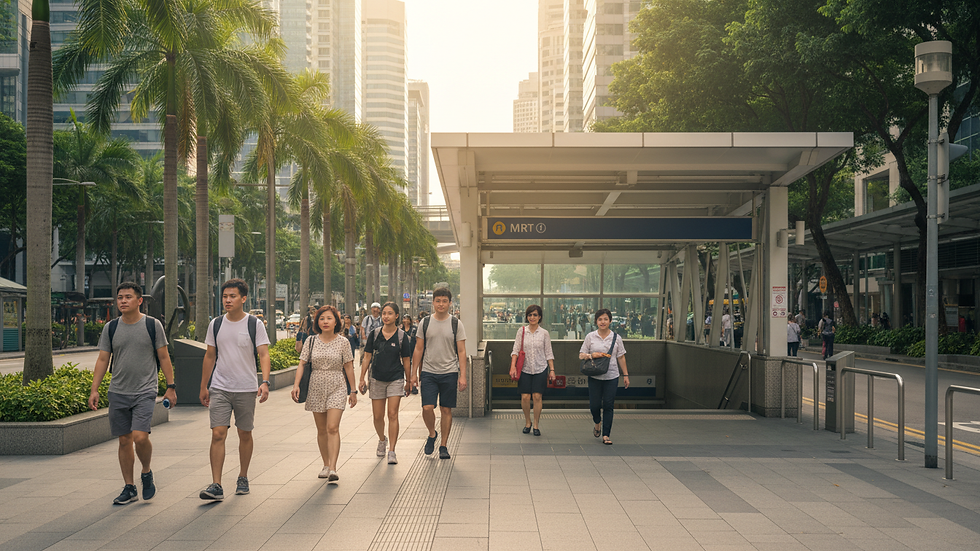
CBD locations work well because they sit near MRT stations, bus routes, taxis, and regional business services.
Lower upfront cost
There is no need to buy furniture, arrange cabling, or pay for a full office fit-out before revenue is predictable.
The real benefit is not novelty. It is reduced friction. Work can start quickly, and the commitment can match the stage of the business.
The common membership models fit different work patterns
Most providers offer several membership types. The names vary, but the core models are easy to compare.
Membership model | Best suited for | What it usually includes | Pricing style |
Hot desk pass | Solo operators, consultants, remote workers | Access to shared seating in common work areas | Daily or monthly |
Dedicated desk | Regular users who want the same spot | A reserved seat in a shared area | Monthly |
Private office | Small teams or executives needing privacy | Enclosed room, lockable space, team seating | Monthly or annual |
Meeting room access | Client sessions, interviews, workshops | Bookable rooms with screens or call equipment | Hourly or package-based |
Virtual office | Businesses needing an address without daily space | Business address, mail handling, optional call services | Monthly or annual |
The hot desk is the lightest option. It works for people who want a professional place for a few hours or a few days. If the need is only for short access near the financial district, the phrase Hot desk day pass Shenton Way 25 SGD captures what many people are looking for: clear access, central location, and no long contract.
A dedicated desk suits a more regular routine. It gives a user a known place to return to, without the cost of a full private office.
A private office works better when calls are sensitive, equipment must stay on site, or several people need to sit together. It still avoids many traditional lease issues, because the office is already fitted out.
A virtual office is different. It may not include daily workspace use. Its main role is address presence, administrative handling, and business continuity. It can be useful for a company that works remotely but still needs a CBD contact point.
Singapore’s CBD gives the model extra value
Shared workspaces exist across Singapore, from the city fringe to heartland business hubs. The CBD remains different because it combines access, status, and convenience.
A central location helps when timing is tight. A person can meet a client in Raffles Place, take a call in a private booth, collect mail, and reach another appointment in Tanjong Pagar without losing half the day to travel.
It also helps with perception. A CBD address does not make a weak business strong. It does make a serious business easier to place. For advisory work, consulting, finance-linked services, recruitment, technology sales, and regional management, location can still signal reliability.
There is another point. Singapore is often used as a base for Asia-Pacific operations. Many regional teams do not need a large permanent office in the early stage. They need a place to land, operate, and meet people. Shared workspace gives them that base while they test demand, hire carefully, and decide what comes next.
For independent professionals, the CBD can also reduce isolation. Not every solo operator wants a social setting every day. Still, being around people who are also working can improve discipline. A clear boundary between home and work helps too.

Cost is not only about monthly rent
Many people compare shared workspace with office rent only. That misses the full cost.
A private lease may involve direct and indirect costs:
Renovation
Furniture
IT setup
Office equipment
Maintenance
Utilities
Cleaning
Insurance
Security access
Reinstatement at the end of the lease
Time spent managing vendors
A shared workspace bundles many of these items into one recurring cost. That can make planning simpler.
The trade-off is control. A leased office allows full control over layout, branding, storage, access policy, and long-term team culture. A shared workspace limits some of those choices. It also means common areas are shared with others.
The best choice depends on how stable the business is.
A private lease may fit when headcount is predictable and the company needs full control. A shared workspace may fit when the team is small, cross-border, project-based, or still testing the market.
For a one-person practice, the maths is often direct. Paying only for the days or months used can beat carrying an office all year. For a remote executive, the value comes from avoiding poor work settings during travel. One missed call or awkward client discussion can cost more than a day pass.
What to check before choosing a workspace
The right space should match the work, not just the address. A glossy lobby cannot fix poor call quality or weak access rules.
Check these points before signing up.
Access hours
Some plans allow business-hours access only. Others allow extended or round-the-clock access. Time zones matter if calls run late.
Call privacy
Look for phone booths, quiet rooms, and meeting rooms. Open areas are rarely suitable for sensitive discussions.
Internet reliability
Ask about backup connections if uptime matters. A fast connection is useful only if it stays stable.
Meeting room availability
A plan may include meeting credits, but rooms can still be hard to book at peak times.
Guest rules
Check how many guests are allowed, whether they must register, and whether there are extra charges.
Address use
If using the location for company registration or mail, confirm what the plan permits.
Noise level
Visit during a normal workday. A space can feel different at 10 am on Tuesday than during a quiet viewing slot.
Transport and food options
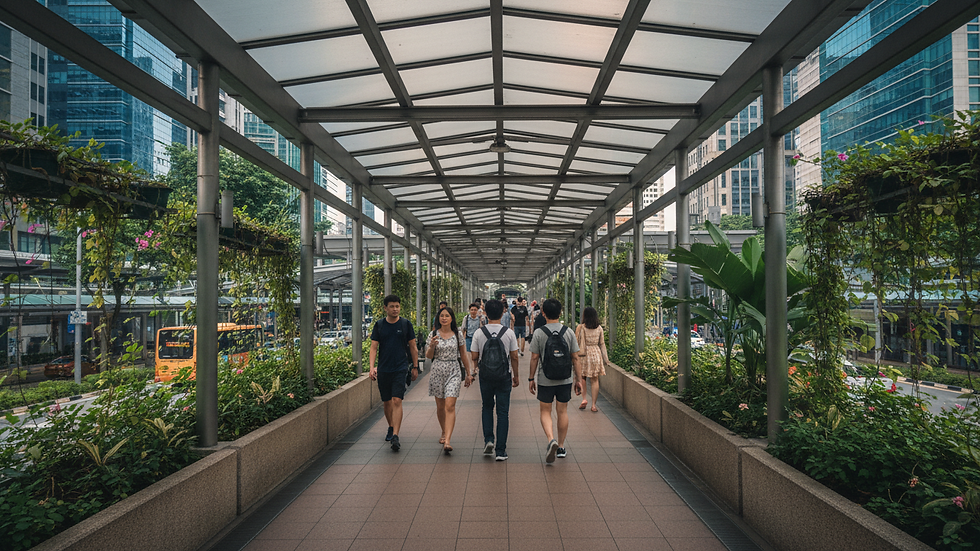
Small details matter when the space becomes part of a weekly rhythm. MRT access, lunch options, and sheltered walkways can save time.
Contract terms
Read the renewal, cancellation, deposit, and notice clauses. Flexible does not mean rule-free.
The CBD workspace is becoming a service, not just a place
The shift is clear. Many people no longer judge a workspace by how many square metres they control. They judge it by how well it supports the day.
Can a call happen without noise?
Can a client be hosted without fuss?
Can mail be received?
Can the space be used only when needed?
Can the address support the business without adding fixed overhead?
That is why the model keeps growing in Singapore’s central areas. It matches the way work is now planned: leaner, more mobile, and more careful with commitments.
The old office was built around presence. The newer model is built around access. That difference matters.
Frequently asked questions
What is the difference between a hot desk and a dedicated desk?
A hot desk gives access to any available shared seat. A dedicated desk gives one reserved seat for regular use. Hot desks suit flexible schedules. Dedicated desks suit people who want routine.
Can a shared workspace be used as a business address in Singapore?
Some plans allow business address use, mail handling, or registered address support. Not every plan includes this. Always check the terms before using the address for official purposes.
Is a day pass enough for client work?
A day pass can work well for focused tasks, calls, and short visits. For client discussions, check whether the pass includes meeting room access or whether rooms cost extra.
Is a shared workspace cheaper than renting an office?
It can be cheaper for small teams, solo professionals, and mobile workers because it removes many upfront and maintenance costs. A private lease may become more practical when the team is larger and stable.
Why are CBD locations popular for flexible work?
They reduce travel time between appointments, place users near key business services, and provide a central address. In Singapore, areas around Shenton Way, Raffles Place, Telok Ayer, and Tanjong Pagar remain practical for this reason.
The useful takeaway
Coworking has grown because it answers a clear need. It gives people a professional base without forcing them into a long lease before they are ready.
For Singapore’s CBD, the appeal is even stronger. The area offers transport, access to clients, and a recognised business setting. The right workspace does not need to be large. It needs to be easy to use, priced clearly, and suited to the way the work actually gets done.


Comments